On the NICU, every alarm feels as if it could be about your own child.
Ido Shenhav, Software Engineer, itemedical
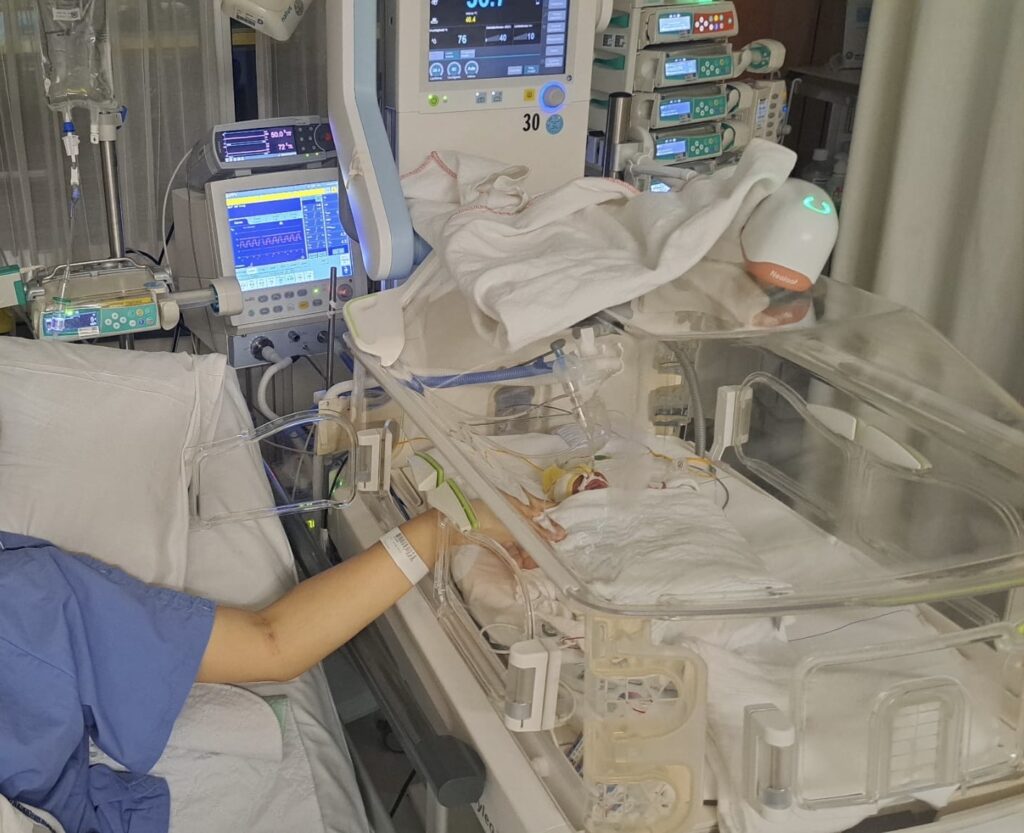
For Ido Shenhav, care technology took on a different meaning when his son Wesley was born extremely prematurely at 27 weeks. While his daily work revolves around systems, data and functionality, he suddenly experienced, as a parent, the personal reality behind that technology.
Technology was no longer something at a distance. It became part of his experience as a parent: visible, audible and constantly present. Ido already understood the importance of a calm care environment through his work as a software developer at itemedical. But Wesley’s stay on the NICU made that importance personal. Not as a technical principle, but as the lived experience of a parent standing beside his child’s incubator.
When every alarm feels close
From the very first moment on the NICU, Ido and his wife Lindsay were surrounded by many stimuli. Several incubators stood together in one room, separated by curtains. Other parents were also sitting beside their children. Sounds came from everywhere: conversations, equipment and, above all, alarms. Every alarm drew attention and felt as if it could be directly about Wesley.
The care staff explained what the different alarms meant. Still, the experience remained overwhelming. A medium-priority alarm that continued for several minutes without anyone immediately intervening created tension and uncertainty. What may not have been clinically urgent felt anything but reassuring to them as parents.
Then you’re sitting there as a parent, extremely tense, with an alarm going off for your child.
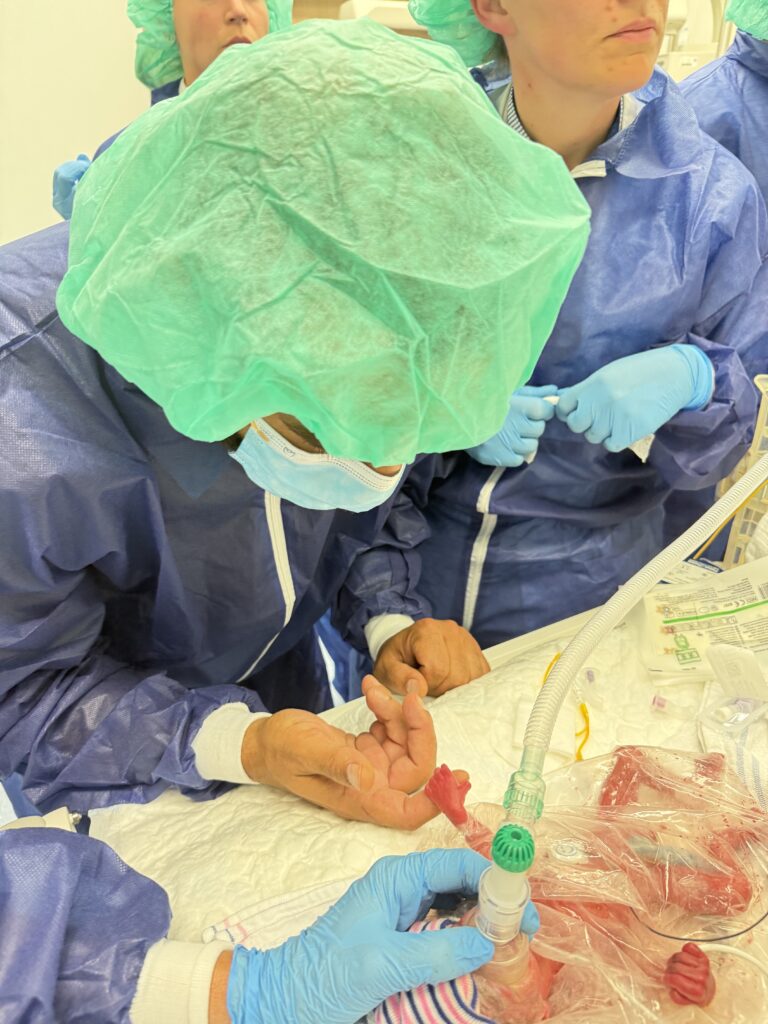
In the first few days, Ido and Lindsay responded to almost every alarm with heightened alertness. Over time, they became accustomed to them. The alarms were still there, but gradually lost their immediate impact.
That habituation brought mixed feelings. Ido recognized it as an effect of alarm fatigue: when alarms occur frequently, the distinction between important and less important starts to blur. And that effect does not only affect healthcare professionals, but parents as well.
Space to be a parent
The impact of alarms became especially clear during moments that are meant to be calm. Such as kangaroo care: skin-to-skin contact between parent and child, closeness and focused attention for one another.
It was precisely during those moments that alarms — often from other patients in the same room — disrupted the calm. Not because the care was lacking, but because the environment was constantly present. For Ido and his wife, it became clear just how much influence that environment has.
It is not only your child’s medical condition that shapes how you experience a hospital stay. Sound, stimuli, privacy and the degree of control you feel also determine how much space you have to be a parent.
When Wesley was later transferred to a hospital with a single-patient room, Ido and Lindsay immediately noticed the difference. The room offered more privacy and calm. They could stay with their child continuously and sleep there as well. They no longer heard sounds from other patients, only the sounds related to their own son.
The focus shifted from surviving in a busy care environment to truly being present as parents. Wesley grew well and continued to develop during that period. For his parents, the difference in experience was clearly noticeable.
Not measuring less, but alarming more selectively
The experience gave Ido a new perspective on data-driven care and alarm management. Safety always remains the foundation. At the same time, he now feels more strongly what each individual alarm does to parents at the bedside.
Many alarms are brief or not clinically relevant. A sensor is not positioned correctly for a moment. A child moves. A value drops briefly and then recovers on its own. But from a parent’s perspective, the cause makes little difference in that moment. The sound is already there. And with it, the tension.
The solution, therefore, is not to measure less, but to handle more intelligently what truly requires attention. In a shared room, parents also hear alarms from other patients. In a private room, there is more calm because those sounds disappear and mainly the signals relating to your own child remain. “That seems like a really major gain to me: only hearing the alarms from your own child,” says Ido. Important alarms must, of course, reach healthcare professionals. By carefully filtering, delaying or prioritising alarms, care teams remain informed while parents experience fewer unnecessary stimuli.
Medical alarm management with attention
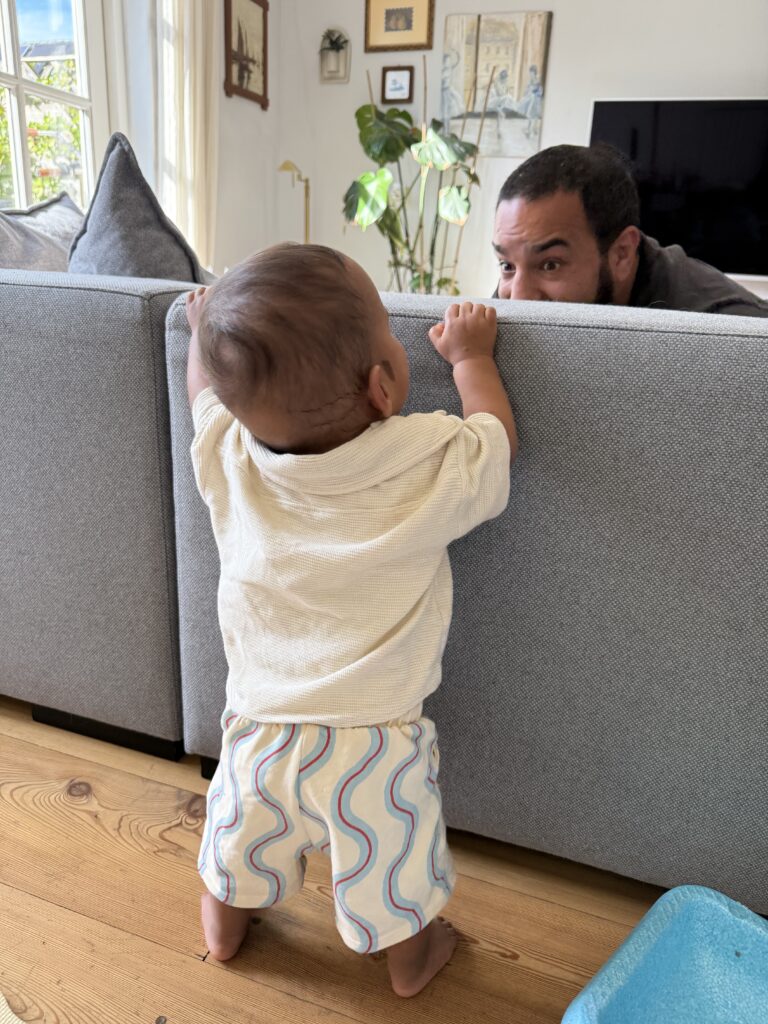
Ido’s experience shows that medical alarm management goes beyond technology. It touches on safety, calm and trust, but also on something deeply human: the space to stay close to your child.
For parents on the NICU, and on other paediatric wards, every alarm creates tension. Smart alarm processing helps make a clearer distinction: which alarms truly require attention, which can be safely filtered or delayed, and which alarms relate to your own child?
And what is on Ido’s wish list? More patient-centred feedback. For example, making it visible when a call has been seen, even if a healthcare professional does not come by immediately. That kind of feedback reduces uncertainty.
For Ido, care technology succeeds when it supports safe care and continues to improve it.
An experience that reaches further
Ido and Lindsay are also giving meaning to their experience in other ways. They have shared their story with medical students and remain involved with the hospital through a parent sounding board. Their message remains the same: behind every monitor value is a child, with parents who experience every signal intensely.
That is precisely why good medical alarm management contributes to fewer unnecessary stimuli, more calm around the child and more space for what matters in such a vulnerable period: connection, trust and care for one another.